How to Eat Healthy Without Dieting: A Coach's Guide
Tired of restrictive diets? Learn how to eat healthy without dieting by focusing on sustainable habits like building a balanced plate and simple meal prep.
What Does Eating Healthy Without Dieting Actually Mean?
Eating healthy without dieting means shifting your focus from restriction and what you *can't* eat to abundance and what you *can* add to your plate. It’s a mindset change that frees you from the exhausting cycle of on-again, off-again diets. Instead of counting every calorie or banning your favorite foods, you learn to tune into your body’s signals and nourish it with whole, nutrient-dense foods that make you feel energized and strong.
This approach isn't about perfection; it’s about consistency. It’s about adding more vegetables to your dinner, making sure you have protein at breakfast, and drinking enough water throughout the day. I teach my clients that all foods can fit into a healthy lifestyle. The goal is to build a positive, sustainable relationship with food where you feel in control, not deprived. It’s about listening to your body’s hunger and fullness cues—a practice often called mindful or intuitive eating—and trusting that you can make choices that support your well-being without a rigid set of rules.
How Can I Build a Balanced Plate?
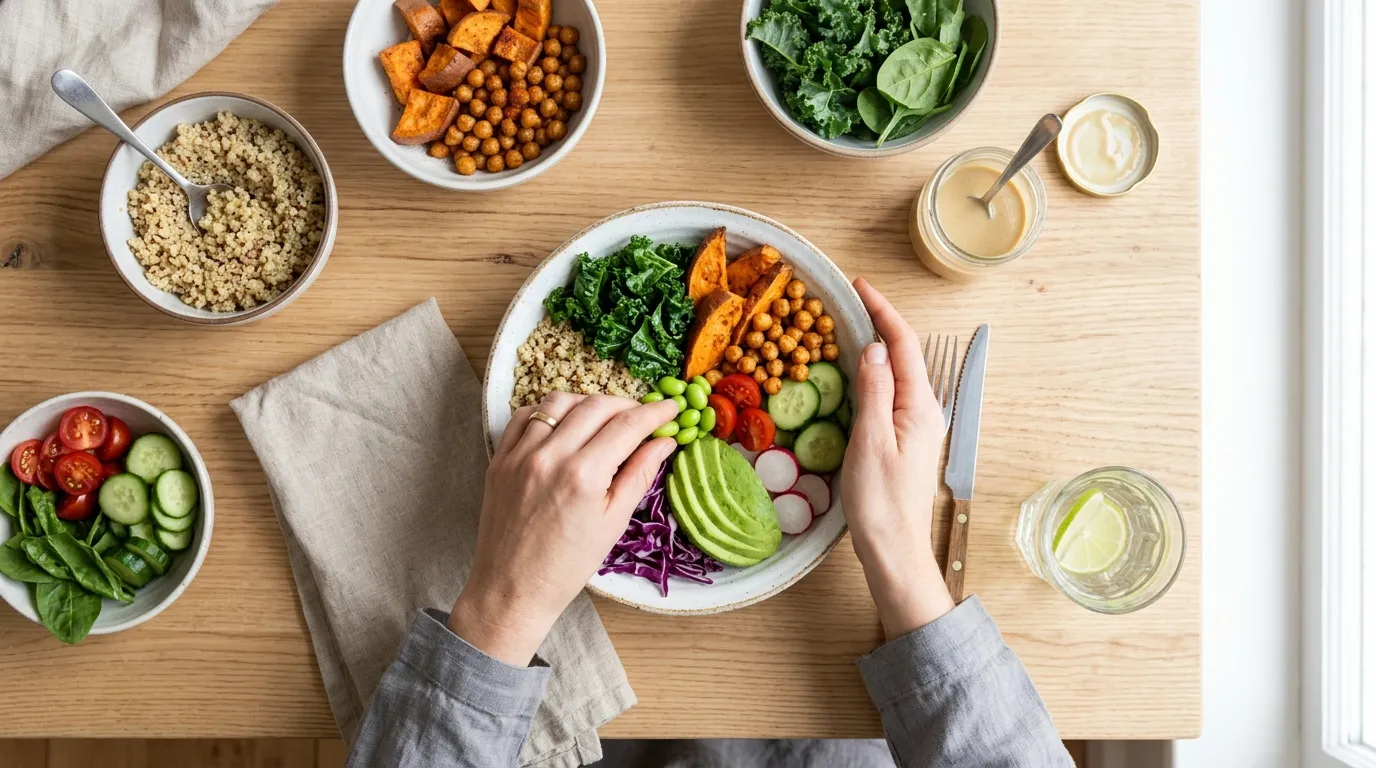
You can build a balanced plate by using a simple visual formula: fill half your plate with colorful vegetables, a quarter with lean protein, and the final quarter with a source of fiber-rich carbohydrates, plus a serving of healthy fats. This method, often called the “Plate Method,” ensures you get a wide range of nutrients that work together to keep you full, satisfied, and energized, without needing to weigh or measure everything.
Here’s a breakdown of why each component is so important:
- Protein (¼ of your plate): This is crucial for building and repairing tissues, and it's a powerhouse for satiety, meaning it helps you feel full and satisfied after a meal. Think chicken breast, fish, lean beef, tofu, lentils, or Greek yogurt.
- Fiber-Rich Carbs (¼ of your plate): Carbs are your body’s primary energy source. Choosing complex carbohydrates like quinoa, brown rice, sweet potatoes, or whole-wheat pasta provides slow-releasing energy and beneficial fiber.
- Vegetables (½ of your plate): Loading up on non-starchy veggies is the easiest way to add volume, fiber, vitamins, and minerals to your meal for very few calories. Aim for a variety of colors—like leafy greens, broccoli, bell peppers, and carrots.
- Healthy Fats (about 1-2 tablespoons): Fats are essential for hormone production and absorbing certain vitamins. They also add flavor and help with satiety. Good sources include avocado, olive oil, nuts, and seeds.
A simple, balanced lunch could look like this: a large bowl of spinach (veggies), topped with 4-6 ounces of grilled salmon (protein), half a cup of cooked quinoa (carbs), and a tablespoon of olive oil vinaigrette (fat). It's delicious, packed with nutrients, and takes just minutes to assemble.
How Do I Make Healthy Eating Work with a Busy Schedule?
Making healthy eating work with a busy schedule is all about simple preparation and planning ahead to make the healthy choice the easy choice. You don't need to spend your entire Sunday meal prepping elaborate recipes. Instead, focus on small, strategic actions that set you up for success during the week.
Here are a few practical steps you can take this week:
- Pick a "Prep Power Hour": You'd be amazed what you can get done in 60 minutes. Use this time to wash and chop some veggies, cook a batch of rice or quinoa, and grill a few chicken breasts. These staples can be mixed and matched for quick lunches and dinners.
- Assemble "Grab-and-Go" Packs: Portion out snacks like almonds and walnuts, Greek yogurt cups, or baby carrots with hummus into small containers. Having these ready prevents you from reaching for less nutritious options when hunger strikes.
- Embrace Smart Shortcuts: Healthy eating doesn't have to be complicated. There is no shame in using a rotisserie chicken for quick protein, buying pre-chopped vegetables, or using frozen fruit for smoothies. These shortcuts can be lifesavers on busy days.
- Have a Few "Emergency" Meals: Keep the ingredients for 2-3 super-fast meals on hand at all times. Think eggs for a veggie omelet, canned tuna for a quick salad, or whole-wheat pasta and a quality jarred sauce.
If you're looking for more inspiration, my Meal Library is filled with over 100 simple, delicious recipes specifically designed for busy women, with full macro breakdowns and downloadable shopping lists.
Can I Still Eat Out and Enjoy My Favorite Foods?
Yes, you can and absolutely should still eat out and enjoy your favorite foods. A truly healthy and sustainable lifestyle includes flexibility, celebration, and enjoyment—not rigid perfection. The moment you label a food as "bad" or "off-limits," you give it power over you and set yourself up for feelings of guilt and failure.
Instead of an all-or-nothing mindset, think about balance. Most of the time, you might focus on those nutrient-dense, balanced plates we talked about. And some of the time, you'll enjoy pizza with your family, a slice of birthday cake, or a glass of wine with friends. That isn't a failure; it's part of a normal, happy life. The key is to enjoy it mindfully, savor every bite, and then get right back to your usual routine without punishment or compensation.
When eating at a restaurant, you can still make supportive choices without feeling like you're on a diet. Scan the menu for meals centered around a lean protein (like grilled fish or chicken) and vegetables. Don't be afraid to ask for dressing on the side or for your vegetables to be steamed instead of sautéed in a lot of oil. But most importantly, order what you'll enjoy and be present in the moment. You can find more tips for navigating these situations on my blog.
How Does Madison Hansen Health Coaching Teach Healthy Eating?
At Madison Hansen Health Coaching, I teach women how to eat healthy without dieting by providing personalized, flexible nutrition plans and real one-on-one support in my flagship 12 Week Transformation program. My approach is built on the belief that there are no good or bad foods, and no food groups are off-limits. We focus on what to *add* to your diet to support your goals, not what to take away.
As a coach certified in Precision Nutrition and an ACE Behavior Change Specialist, I don't give you a generic meal plan and send you on your way. We work together to build habits that fit seamlessly into *your* life—whether you're a busy professional, a mom, or juggling both. I provide you with the tools and education to understand your body's needs, so you can make empowered choices long after our time together is over. It's about developing lasting skills, not creating a lifelong dependency on a coach.
Quick Takeaways
- Focus on adding nourishing foods like protein and vegetables, not on restricting what you eat.
- Build your meals using the balanced plate method: ½ veggies, ¼ protein, ¼ carbs, plus healthy fats.
- Use simple meal prep strategies to make healthy choices easy during a busy week.
- Incorporate your favorite foods and enjoy social meals without guilt; consistency is more important than perfection.
- Listen to your body’s hunger and fullness cues to guide your eating.
Learning to eat healthy without dieting is a journey of unlearning old rules and building a trusting relationship with your body. It's about progress, not perfection. If you're ready to ditch the diets for good and find a sustainable approach that feels good, I'd love to chat. You can book a free, no-pressure 20-minute discovery call with me to see if we're a good fit. Book your call today.
Frequently Asked Questions
How can I stop craving sugar without feeling deprived?+
Instead of cutting sugar out completely, focus on adding protein, fiber, and healthy fats to your meals to keep you full and stabilize blood sugar. When a craving hits, enjoy a small portion of what you truly want mindfully, or try a healthier alternative like fruit with yogurt. The key is to remove the 'forbidden' label.
Is it more expensive to eat healthy?+
It doesn't have to be. You can eat healthily on a budget by planning meals to reduce waste, buying seasonal produce, and incorporating affordable protein sources like beans, lentils, and eggs. Frozen fruits and vegetables are also just as nutritious as fresh and often cheaper.
How do I know when I'm actually hungry or just bored/stressed?+
Before eating, take a moment to pause and ask yourself, 'Am I physically hungry?' Physical hunger often comes on gradually and is accompanied by stomach pangs or low energy. Emotional hunger can feel sudden and craves a specific food. Learning to recognize this difference is a key part of mindful eating.
What's the first small step I can take to eat healthier this week?+
A great first step is to focus on just one meal. For example, aim to add a source of protein and a vegetable to your lunch every day this week. It's a small, manageable change that builds momentum without feeling overwhelming.